Table of contents
Modern buildings face evolving challenges when it comes to fire safety, making it essential to understand the differences between traditional and innovative fire alarm systems. As technology advances, so do the solutions available for detecting and responding to fire hazards. Explore the key distinctions, advantages, and limitations that set old and new fire alarm systems apart, and learn what to consider when upgrading your facility’s fire safety measures.
Fundamental differences explained
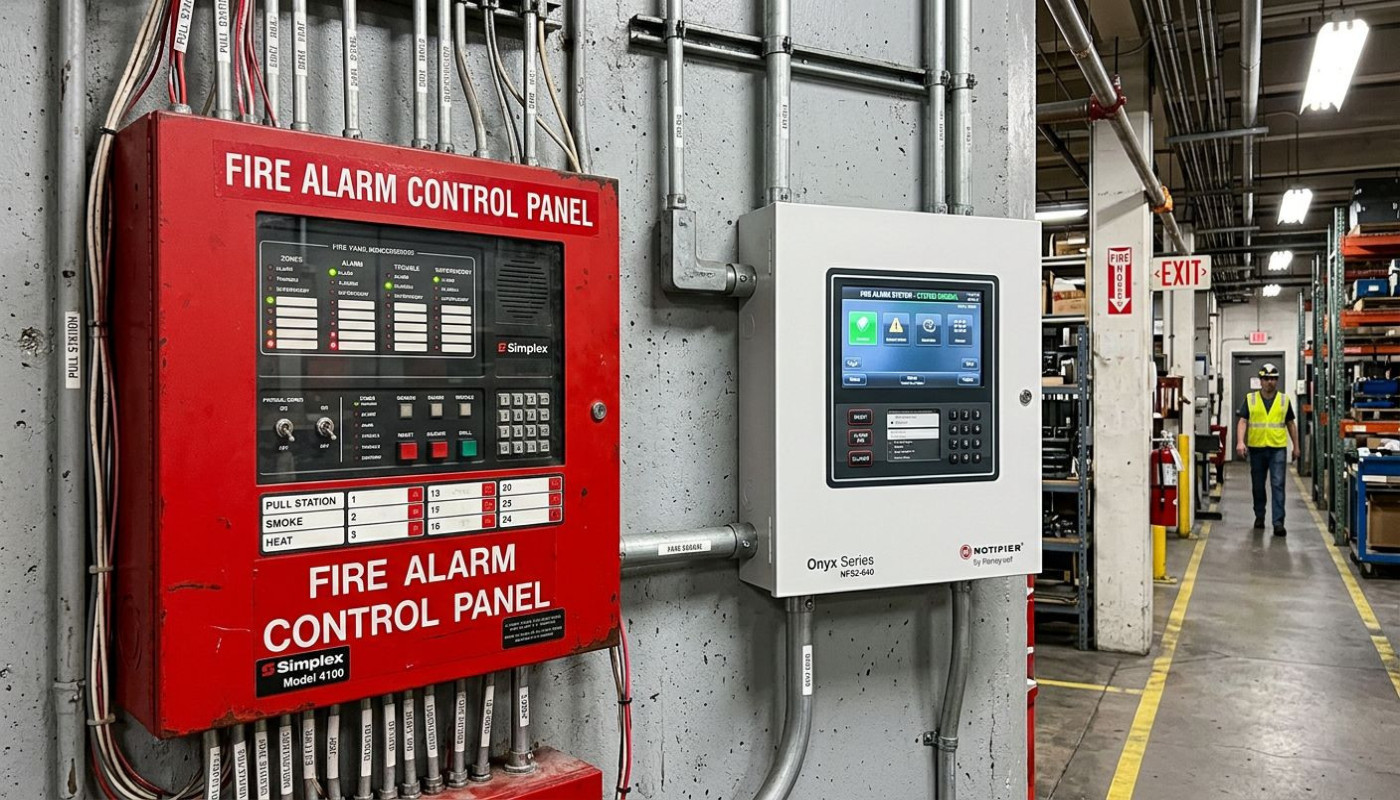
Traditional fire alarms typically rely on conventional detection, where each device within a zone is wired back to a central control panel, and any activation signals a general alert without specifying the exact location of the incident. This method, while reliable, can complicate pinpointing the source of the alarm, especially in large or complex buildings. On the other hand, innovative fire alarms introduce addressable systems, where each detector or sensor possesses a unique digital address, enabling precise identification and monitoring of specific areas. This advancement in alarm system technology enhances building safety by providing detailed information during emergencies, improving response times, and reducing the likelihood of false alarms.
Innovative fire alarms often incorporate smart sensors and integrated communication protocols, adapting to a range of environmental conditions to distinguish between real threats and benign factors like dust or steam. These systems can be networked with building management platforms, allowing for remote diagnostics, real-time monitoring, and automated system updates. Such features significantly improve the reliability and efficiency of modern fire detection, offering tailored solutions that support complex building layouts and evolving safety requirements.
Deployment methods also differ substantially between traditional and innovative systems. Conventional systems generally require extensive hardwiring and are more difficult to modify or expand as building needs change. Innovative fire alarms, using sophisticated networking and wireless capabilities, provide greater flexibility and scalability. This allows for easier integration into both new constructions and retrofitted structures, ultimately advancing the overall effectiveness of fire detection and supporting comprehensive building safety strategies.
Detection accuracy and speed
Comparing fire sensor technology in traditional and innovative systems reveals significant differences in fire response time and alert accuracy. Traditional fire alarm systems often rely on single-sensor detection methods, such as smoke or heat sensors, which can lead to a higher rate of false alarms due to limited detection criteria. These systems may experience delays in response time, as they sometimes require manual verification or slower electronic processing. In contrast, innovative fire alarm systems frequently utilize multi-criteria fire detection, combining data from multiple sources—such as smoke, heat, carbon monoxide, and even air quality sensors—which enhances both detection accuracy and speed. Advanced systems leverage real-time data processing to analyze sensor inputs simultaneously, reducing instances of false alarms by better distinguishing between real threats and benign conditions.
Enhanced alert accuracy and faster fire response time in cutting-edge fire sensor technology are achieved not just through improved hardware but also through software algorithms that adapt to changing environments. These advancements allow for immediate and precise identification of fire conditions, which is particularly valuable in complex venues like casinos not on Gamstop, where rapid evacuation and minimal disruption are priorities. For more information on fire protection in such environments, visit casinos not on Gamstop. This targeted approach ensures a higher level of safety, while also addressing the operational needs of specialized settings.
Integration with modern technologies
Innovative smart fire alarms are transforming the landscape of building safety by offering seamless integration with advanced building automation systems and IoT fire systems. These next-generation alarms are designed for system interoperability, enabling them to communicate effectively with lighting, HVAC, and security platforms to coordinate emergency responses and optimize building operations. Through cloud connectivity, data from integrated fire safety devices can be accessed and analyzed in real time, allowing for remote fire monitoring and faster decision-making. IoT fire systems enhance situational awareness by sharing alerts, sensor readings, and system statuses with facility managers, often via mobile devices or centralized dashboards. By supporting unified protocols and leveraging the power of building automation, these solutions provide a more proactive and responsive approach to fire safety and emergency management.
Maintenance and reliability factors
Traditional fire alarm systems typically demand regular manual inspections and scheduled fire alarm maintenance to ensure proper operation. These systems often rely on periodic fire safety inspections to detect issues like sensor failure or wiring problems, which can increase system downtime if faults are not discovered promptly. In contrast, innovative fire alarm systems integrate self-diagnostics and predictive maintenance capabilities that continually monitor system health and performance. This real-time analysis allows for early identification of potential faults, minimizing the risk of unexpected failures and streamlining alarm system upkeep. Predictive maintenance reduces unnecessary service visits and enables precise intervention only when needed, enhancing overall system reliability and reducing operational disruptions. Adopting advanced technologies in alarm systems not only strengthens fire safety but also improves cost efficiency by preventing unplanned outages and maximizing system uptime.
Choosing the right solution
When approaching fire alarm selection, several factors require careful evaluation to ensure optimal building fire safety. Start by analyzing the unique characteristics of your facility, including its size, occupancy type, and existing infrastructure. Traditional fire alarm systems often suit environments where budgets are limited and retrofitting needs are minimal. These systems can provide reliable basic coverage but may lack the flexibility offered by innovative options. In contrast, modern scalable fire alarms provide enhanced communication, integration with smart technologies, and adaptability for future expansion—features especially valuable in buildings planning renovations or capacity increases. Consider the infrastructure’s capability to support wireless communication or networked detection devices, as these impact both installation complexity and long-term maintenance needs.
Another aspect that directly affects fire alarm upgrade decisions is code compliance. Regulatory standards often evolve, requiring systems to be updated or replaced to maintain building fire safety certifications. Innovative fire alarm systems frequently offer easier pathways for compliance updates, as their modular designs accommodate new devices and software upgrades without extensive rewiring. Evaluate the ease of retrofitting your existing system, and whether the new solution aligns with both current and anticipated safety codes. Ultimately, the right balance between up-front costs, long-term scalability, and code compliance will guide the most effective solution for your property, ensuring both immediate safety and readiness for future demands.
On the same subject